

When you buy through links on our site, Press Start may earn a commission at no additional cost to you.
As someone who respects Neva along with Nomada Studios as a whole, the release of the Prologue expansion was a very welcome and most wonderful surprise. The heartbreaking story of Alba and her titular wolf cub moved, provoked and proved, through the wonders of Conrad Rosette’s watercolors, that video games are undeniably art.
Neva’s original story, which chronicles the cyclical self-destructive rebirth of nature and its callous disregard for what we as humans perceive as fair or rational, felt so perfectly put together from a thematic standpoint that I went into this prequel with a little trepidation that it might unintentionally undo some of the game’s emotional gut-punch. This prologue tells the story of Alba and Neva’s first chance meeting and how Alba earns the lone wolf cub’s trust through a series of daring rescue operations. While it’s certainly nice to see the beginnings of a bond between the two, it’s debatable whether it really adds anything to Nevaeh’s overall message.
While it may be unnecessary in the grand scheme of things, I enjoyed the prologue of About Neva for what it was. This is another fun time in one of my favorite experiential video games. For only a few dollars, the short extension does more than enough to justify its existence. Despite being a prequel, its impact is felt most when you know what happens next, but if you feel like it, you can play it even if you haven’t completed the main story.
The wolf cub of the title does not appear from a gameplay perspective, as it is set before the story itself. She is the goal, the object of Alba’s selfless and curious pursuits. So clearly, the crescendo of mechanics clashing that culminated in Neva’s endgame, where a mature wolf enters the fray, is nowhere to be found here. This prologue is truly “Alba’s show.”
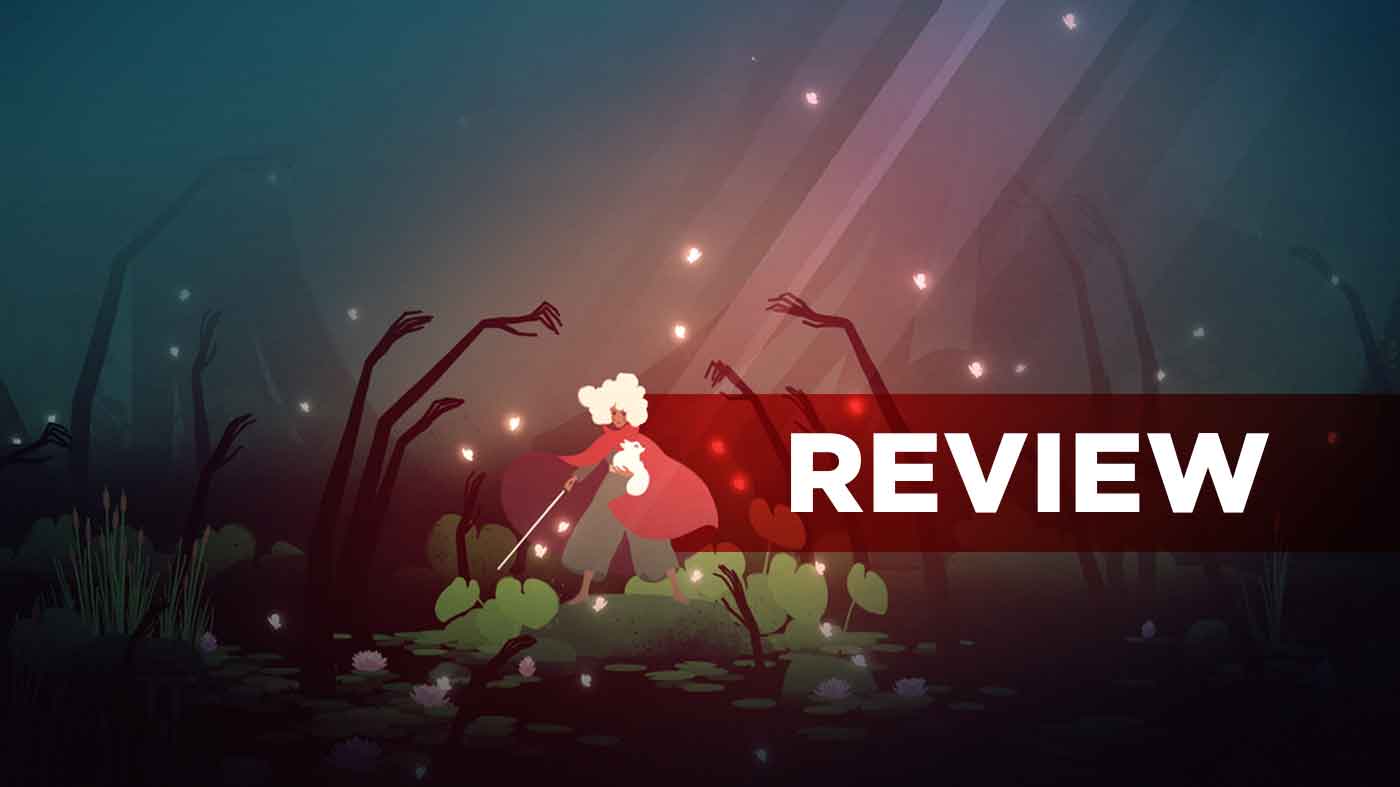
Knowing this, I think the pacing and balance between exploratory platforming and combat is where it needs to be, with an emphasis on the former. Utilizing Conrad Roset’s incredible vision and painterly artwork, Prologue offers a series of new landscapes that blend seamlessly into each other, and introduces new puzzle mechanics as you progress.
Click here to read the original review of About Neva.
As was often the case with the main game, the design choices here subverted my expectations multiple times during its modest runtime. I especially enjoyed the use of light in the second half of the stage, and how the tense cat-and-mouse game evolved into an unexpectedly innovative battle. There, in place of their dark shadowy selves, suffering creatures appear only in a few seconds of light.
Of course, the Neva prologue also featured reruns of some classic works. The biggest boss of this song runs through a well-worn beat. A frantic chase marks the first appearance, and an encounter with a giant boss marks the end. It fulfilled its role as a menacing presence throughout the middle and final chapters, but felt like a relatively safe, unusually tame choice from a team whose boss designs in the main game were often pretty great.
After all, more slime is never a bad thing. It falls into some of the common pitfalls of prequels in that it struggles to meaningfully build a story, but players are taken as Alba back to a time when she wasn’t at her most powerful. However, I think the game wisely favored a quieter, exploration-focused platform to avoid amplifying this minor issue.
If you, like me, adore Neva for its beautiful art, music, and all those breathtaking moments where the game transitions from one playable picture to another, this prologue will be worth your time. It’s another hour of feeling the unforgettable emotions of awe, melancholy and wanderlust that have become synonymous with the art of Nomada’s extremely talented team, Conrad Rosette, and of course the Berlinists whose music is like a ribbon that ties everything together.
