

Committee members called on the government to update parts of the local content quota bill for streamers ahead of Thursday’s imminent vote, amid reportedly growing opposition to the long-awaited policy in the United States.
Debate on the Communications Legislation Amendment (Australian Content Requirements for Subscription Video-on-Demand (Streaming) Services) Bill 2025 resumed in the House of Commons on Monday after it was introduced in Parliament earlier this month.
The government aims to pass the bill in the last week and bring it into force from January 1, 2026. The bill would require streamers with more than one million subscribers to invest 10 per cent of their total spend on Australian programming or 7.5 per cent of their local revenue in new local content.
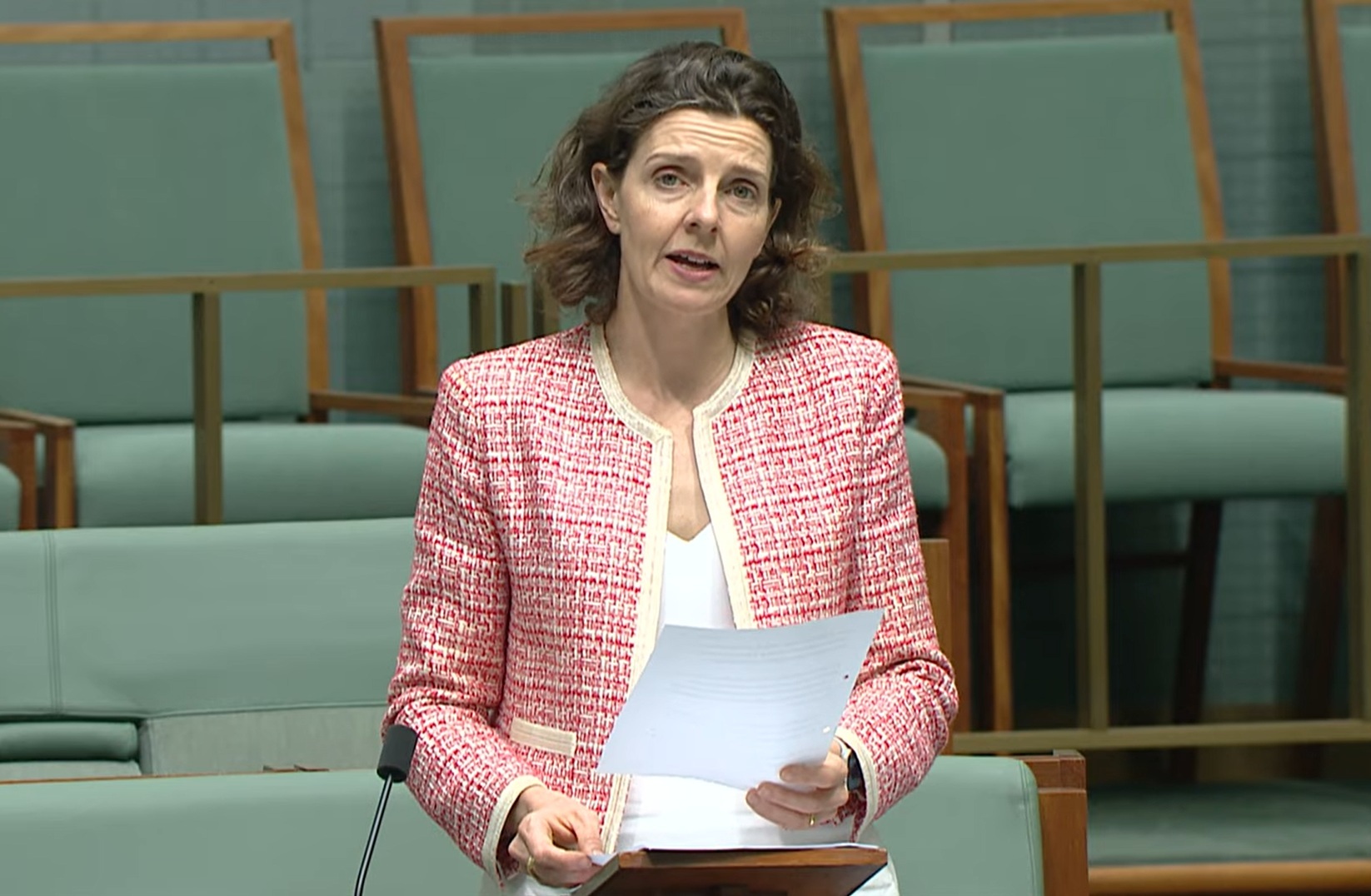
In her response to the bill’s second reading, Kooyong MP Monique Ryan said the government was “setting the bar very low” for the current requirements.
“We should double the requirements of this bill to meet the ambitions of our peers and the expectations of our creators, and improve the law to remove the scope for streaming services to apply Hollywood accounting to how they attribute value to their programming,” she said.
One of the key proponents of the Save Australian Stories campaign, fellow independent and member for Warringah Zali Steggall, described the bill as an “important step forward”, but pointed to the lack of sub-quota requirements across drama, documentary, children’s and educational content, which she aimed to address through amendments to the objects section.
Mr Steggall also said the Australian Communications and Media Authority (ACMA) “needs to commit resources to enforce its obligations and investigate ownership structures, including international companies operating behind the corporate veil”.
Mr Spender, the member for Wentworth-Allegra, also tabled three amendments that he said would address “significant loopholes” in the current bill. These include requiring subgenres to be reported to the ACMA and the Arts Minister, and preventing streamers from counting producer offsets as part of their spending. Covered program agreements provide production companies with goodwill and ancillary rights, and set the terms of the deal so that primary license rights are returned after three or five years.
“We urge the government to consider reasonable, fact-based amendments that truly address the challenges of the screen industry and the complexities of managing and regulating this industry,” she said.
Among others who spoke out about the bill was Mr Ryan’s Green Party MP Elizabeth Watson-Brown, who said the Green Party would support the bill in the House of Commons and reserve its position in the House of Lords.
The bill comes as the government reportedly faces criticism from the United States over the bill, with the country facing ongoing hurdles regarding free trade agreements.
Over the weekend, Capital Brief reported that a coalition of conservative economists sent a joint letter to U.S. Trade Representative Jamison Greer and U.S. Treasury Secretary Scott Bessent asking for U.S. intervention in implementing the policy. According to The Australian, Deputy Secretary of State Christopher Landau and senior US trade representative Jamison Greer also expressed their displeasure with the bill in a closed-door meeting with Australia’s ambassador to the US, Kevin Rudd, last week.
Australia was previously among 14 regions where audiovisual services were featured in the Office of the United States Trade Representative’s National Trade Estimates Report on Foreign Trade Barriers.
Diet deliberations will resume from today.
