

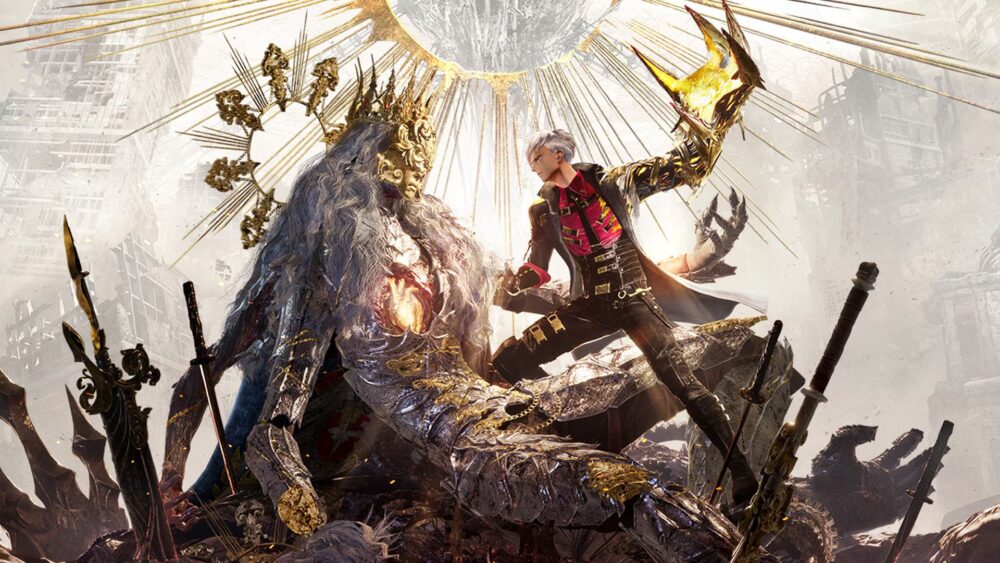
The first Code Vein didn’t get much attention when it was released in 2019, but after a while I’ve slowly gotten used to it and found it surprisingly enjoyable. I wouldn’t go so far as to say it broke new ground in a genre like Souls, but it certainly did enough to warrant a place within my recommendations if you’re looking for something else to play.
Interestingly, Code Vein 2 is actually a better game than its predecessor, but I find it hard to recommend it now. Paradoxes aside, while Code Vein 2 is functional and engaging at times, its sequel doesn’t necessarily bring much to the genre, and as a result it feels like it’s a step behind some of the more polished and unique games in the genre, like Souls.
In many ways, the combat is very fun and engaging, and the story is relatively well-paced, but too often overlong cutscenes, repetitive encounters, and bland exploration pieces weigh down the overall experience. At the same time, it’s clear that Code Vein 2, while futuristic, doesn’t bring much new to the table in a genre that feels busier by the month.
find your destiny
It’s understandable that Code Vein 2 feels like a spiritual successor to the original game, featuring both a new world and new characters. This makes it feel familiar even to those who have never played the first game.
But before we get into the story of this sequel, I wanted to give a shout out to the tons of customizable character creation options here. Honestly, this made my head spin. I’m not usually very interested in details. While I admire the ability to adjust the position of your cheekbones and the size of the bridge of your nose, I’m more impressed by the sheer amount of stylish clothing available, from jackets, pants, gloves, boots, and even entire outfits at the ready.
Code Vein 2 tells a time-travel story initially set in a post-apocalyptic future where humans and remnants (essentially vampires) coexist. You’re basically told by your leader, Lady Lavinia, that unless you go back in time and change the fate of three fallen heroes in the process, things are about to get even worse again.
Credit: Bandai Namco Entertainment
Along the way, you’ll meet several interesting characters beyond the story’s three main characters, and I found them all unique and most of them fascinating. I generally enjoyed my time with them, whether it be their personalities, mission objectives, or overall dialogue throughout the game, and it gave me a chance to get to know them better. I think Lou and Holly were really outstanding, helped along by their great vocal performances.
Code Vein 2 asks you to make decisions based on these characters at certain points. I won’t go into further detail to avoid spoilers, but I will say that these decisions can actually affect the ending of the game. The overall worldbuilding is also good, as the game’s pacing and different timelines allow you to jump back and forth through time, giving you different perspectives of a particular location throughout the eras.
I’m also a big fan of how certain side quests can be woven in between the fabric of the main story, allowing you to jump back and forth between timelines and eras fluidly and easily. Therefore, for best results, it is recommended to take on several side quests at once in between main missions.
My only complaint about Code Vein 2’s story was the long cutscenes. There are far too many moments where the story feels like it has to pump the brakes for important conversations where two or more characters stand around for minutes at a time. There are some interesting cutscenes that aren’t too boring, but they are so long that they basically ruin the pacing of the game at certain points.
art of combat
As far as Code Vein 2’s gameplay goes, things feel mostly solid. I wouldn’t say it’s as diverse or challenging as something like Elden Ring, but the combination of light, heavy, and spoke attacks balanced out by a stamina bar will put most fans of the genre at ease.
However, instead of a traditional points system, players earn and upgrade Blood Codes (also known as equippable statistical abilities), which ultimately determine their character’s overall build. As with most Souls-like games, you’re not locked into using the specific Blood Codes you’ve previously invested in, but the more you upgrade and use them, the more it may take a little longer to reach the level of Blood Cores you previously preferred, which can make it a little harder to revisit later in the game.
Credit: Bandai Namco Entertainment
Fortunately, there are plenty of enemies to find and fight, even if the game’s standard enemies are a little too easy. Code Vein 2 certainly ramps up the difficulty when it comes to boss fights. Because these battles usually come with unique attack patterns to overcome and mechanics to utilize. That being said, this can also be seen as a huge increase in difficulty, so having so many deaths at this moment feels a bit cheap.
During your journey, you will also acquire a great list of companions who will follow you according to your orders and help you during battles. It also helps to strengthen your Weapon Formae. This is basically a specific skill that can be assigned to a specific weapon for a statistical boost. It adds a unique level of depth to combat and can also be applied to magic and support abilities.
There’s a fairly large open world to navigate, and the game does a great job of presenting a pretty overwhelming sense of scale and freedom from the get-go. However, there is no need to worry. You can ride your bike and glide around, which seems convenient, but unfortunately, it’s very difficult to use. It feels too stiff and can be unresponsive in some cases, making it easily irritated.
Credit: Bandai Namco Entertainment
Finally, there are specific dungeons that you can tackle for specific rewards, which, while challenging, quickly become repetitive.
All of this combines to provide an experience that is certainly functional and at times quite cohesive and scalable. The main problem here is that none of it feels particularly fresh considering how much the genre has developed and expanded over the past few years.
look at the part
Visually, Code Vein 2 doesn’t really differentiate itself from other anime-inspired, vibrant approaches to both character models and general environments, but everything feels well put together.
Credit: Bandai Namco Entertainment
My main issue is performance. Even on PS5 Pro, taking performance settings into account, Code Vein 2 suffers from significant drops at the most random times. The game runs at 60 FPS most of the time, and I have no idea what could be causing it to slow down, especially in moments where it doesn’t feel too confusing or demanding. A quality mode increases the resolution and locks gameplay at 30 FPS, but that also doesn’t seem like a solution for this type of game.
final thoughts
Code Vein 2 isn’t terrible and is quite fun at times, but it doesn’t do enough to bring a new, fresh experience and stand out from the ever-growing list of Souls games.
I wish repetitive dungeons didn’t hinder functional combat, and engaging stories and unique supporting characters weren’t subject to long, drawn-out cutscenes and conversations that robbed the player of any kind of agency.
So even though it’s better than its predecessor, it still feels like it’s a step behind.
3 stars (out of 5 stars)
Highlight: Functional combat. Unique and charming companions and support characters. It’s a standalone story, so it’s easy to follow. Detailed character customization
Cons: Cutscenes are long and ruin the pacing of the story. Random frame rate drops. A repeating dungeon. Bike controls are incredibly stiff and unresponsive
Developer: Bandai Namco Studio
Publisher: Bandai Namco Entertainment
Platform: PlayStation 5, Xbox Series X/S, Windows PC
Available: Currently
Review was conducted on a PlayStation 5 Pro using an activation code provided by the publisher.
A featured header image is also provided by the publisher.
